Chow fun vs mei fun vs lo mein
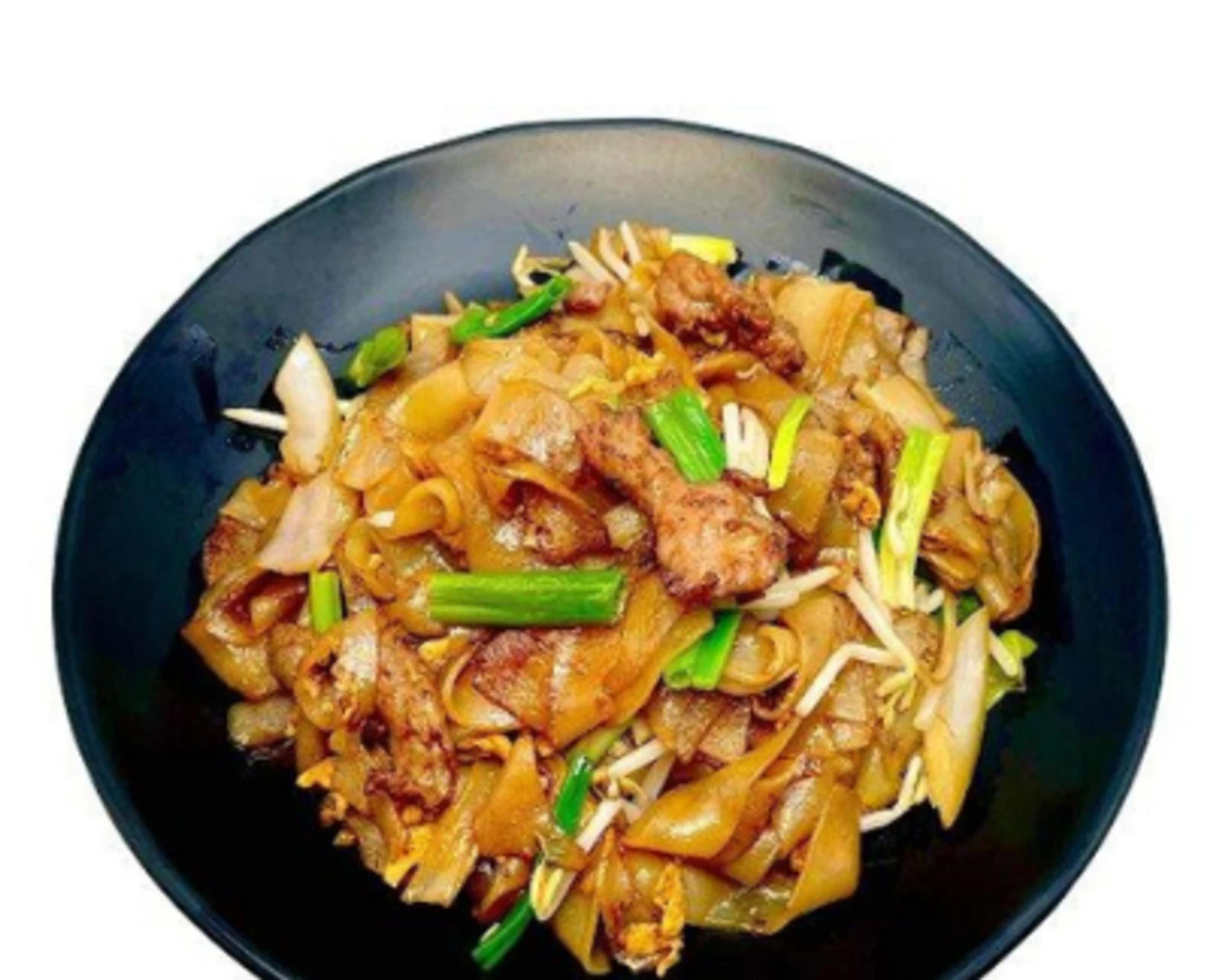
Chow fun uses broad rice ribbons. Mei fun uses thin rice strands. Lo mein is a different wheat-noodle order. The shape is the fastest clue; sauce and preparation settle the rest.
Updated October 25, 2026
The difference at a glance
| Question | Chow fun | Mei fun | Lo mein |
|---|---|---|---|
| What is the noodle? | Broad rice ribbons. | Thin rice vermicelli. | Wheat noodles; many products contain egg. |
| How does it look? | Flat, wide strips. | A tangle of narrow strands. | Usually thicker strands than rice vermicelli; shape varies. |
| What does the menu name tell you? | Usually a stir-fried wide-noodle dish. | The rice-noodle format; seasoning and protein need another word. | A tossed or sauced wheat-noodle dish; regional use varies. |
| Which texture should you expect? | Broad, tender ribbons; a dry-fried version has little free sauce. | Fine strands that mix with small pieces of vegetables and protein. | A soft wheat-noodle bite; not automatically a crispy noodle base. |
| Does it mean curry? | No. | Only if the recipe calls for it, as in Singapore-style mei fun. | No. |
| Useful order to recognise | Beef chow fun. | Singapore mei fun or chicken mei fun. | Vegetable or beef lo mein. |
| What should you ask? | Dry-fried, or with sauce? | Singapore curry seasoning, or another preparation? | Egg content, noodle style and whether the dish is soft or crispy. |
Chow fun: the same wide noodle, two different orders
Ho fun or he fen names the broad rice noodle. Chow fun usually names a stir-fried dish made with it. Fresh rice noodles may come as ribbons or sheets cut into strips; dried wide rice noodles are another format.
Dry-fried beef chow fun aims for a plate with little free sauce. A saucy version uses a liquid sauce that coats the ribbons. Neither name means the rice noodle itself is a different ingredient. Deluxe Green Bo makes the distinction practical: its menu lists Beef Chow Fun and Beef Chow Fun with Sauce as separate orders, with a $1 difference.
Mei fun: Singapore is one preparation
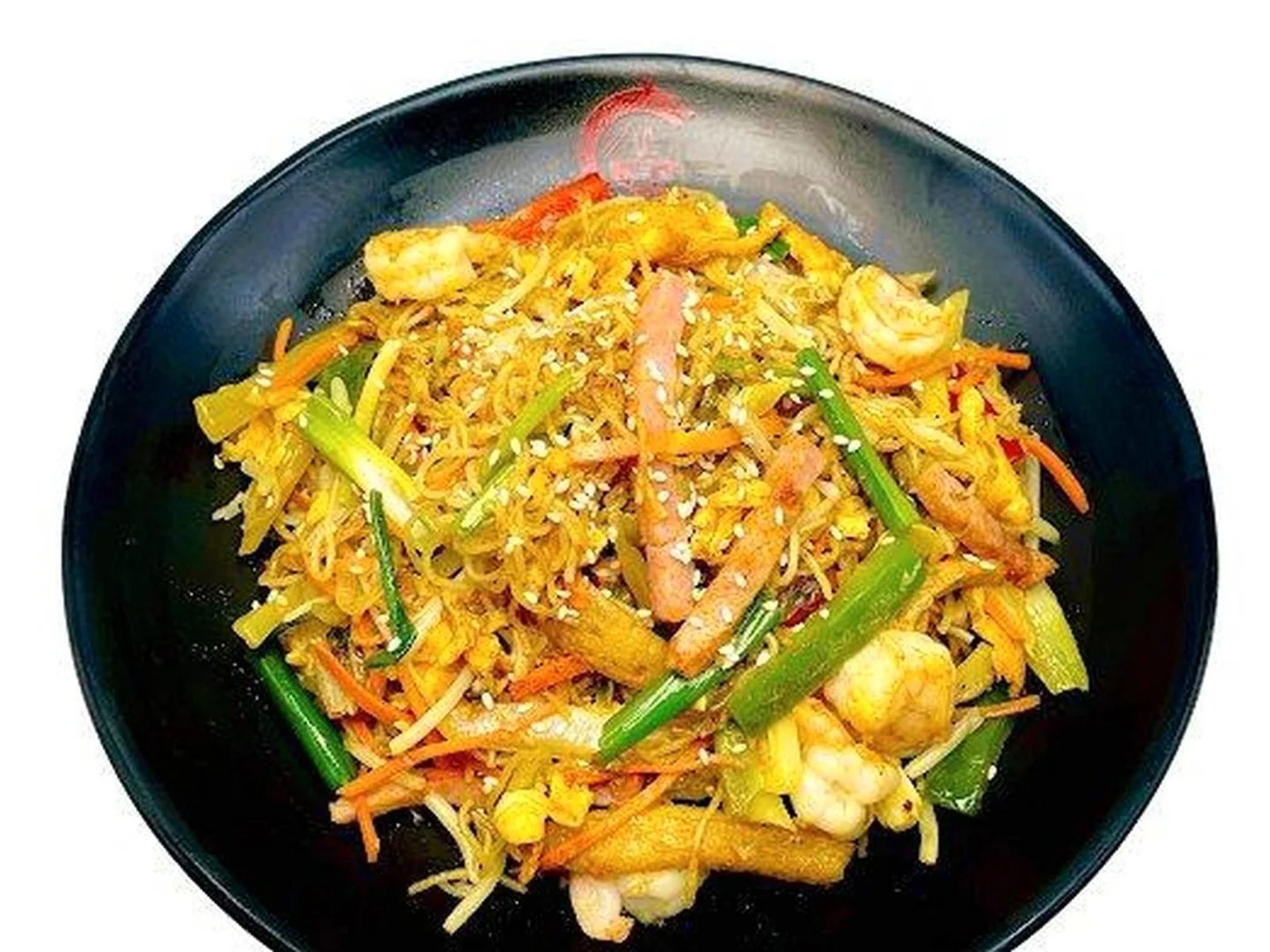
Mei fun, mai fun and rice vermicelli refer to fine rice noodles. A Singapore-style recipe commonly seasons them with curry powder and mixes in smaller pieces of vegetables, protein and egg. It is a particular preparation, rather than a rule for all mei fun.
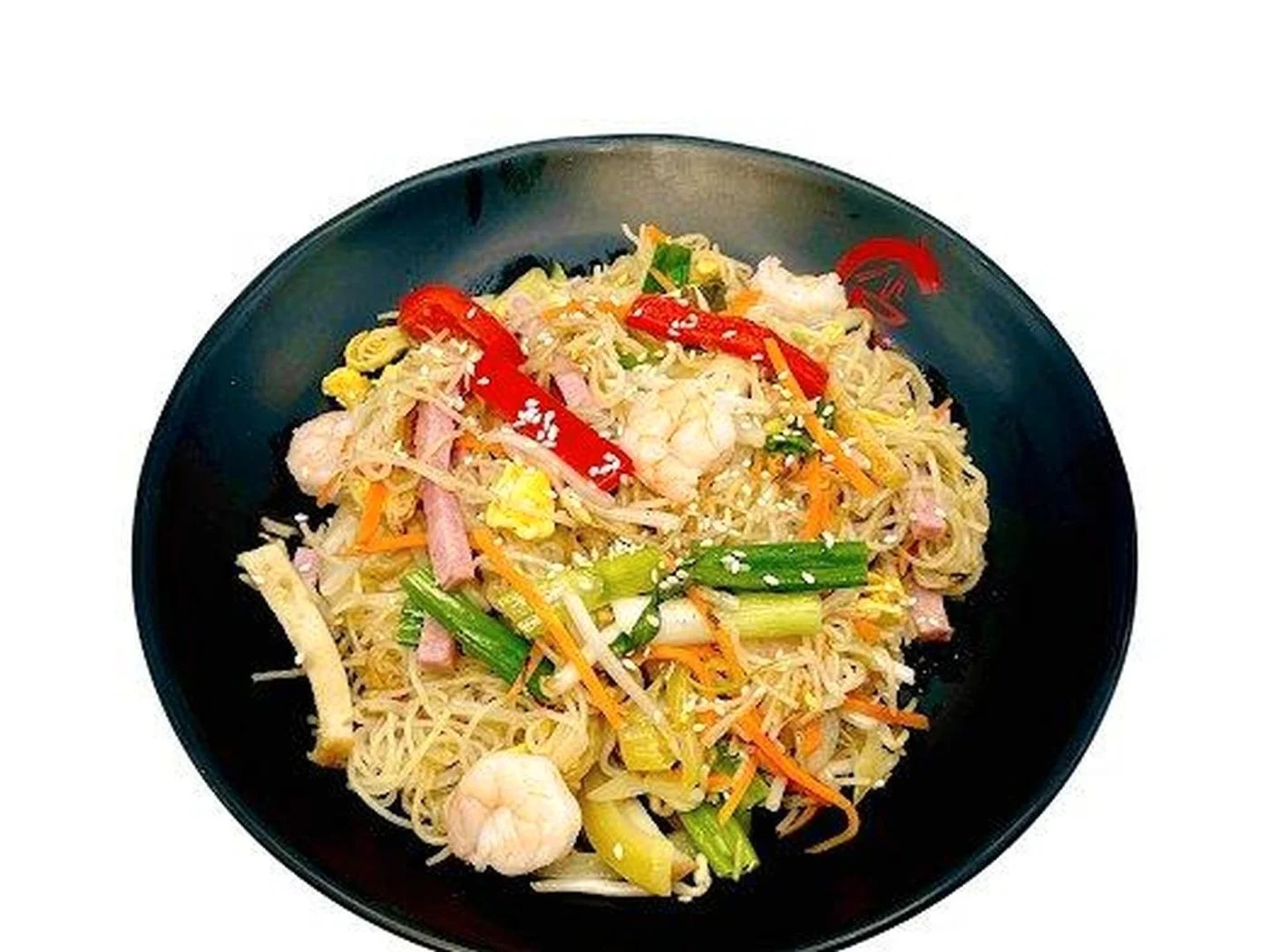
Chicken mei fun and Singapore mei fun can sit beside each other on the same menu. Xiamen-style rice noodles are another named preparation. Ask about the seasoning instead of assuming every thin rice-noodle plate has the yellow colour and curry flavour of Singapore noodles.
 Enlarge ↗
Singapore rice noodles
Fine strands, with the seasonings and toppings mixed through the dish.
 Enlarge ↗
Xiamen rice noodles
A second named E Noodle rice-noodle dish. The noodle family alone does not specify the seasoning.
Lo mein: compare the wheat noodle and the finished dish
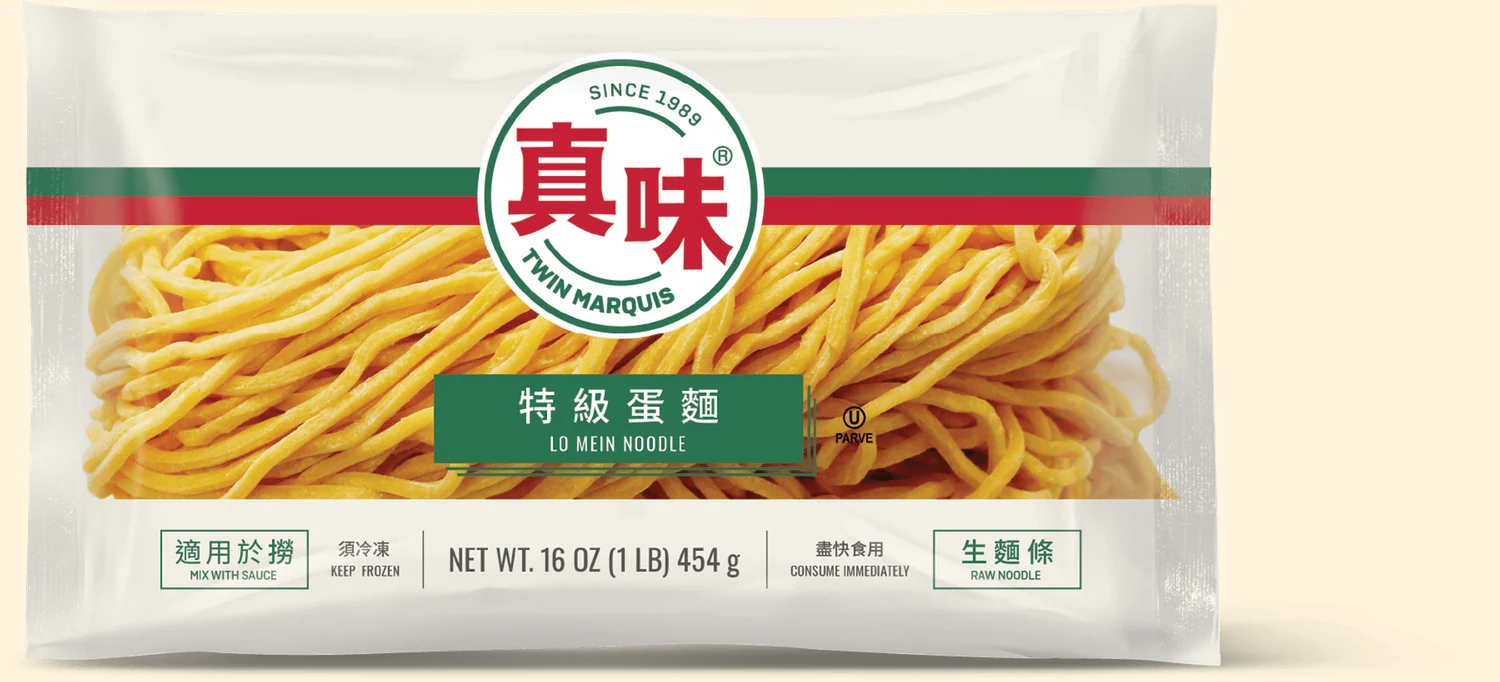
Lo mein is the wheat-noodle alternative in this comparison. Manufacturers sell products specifically for lo mein, including thick, round noodles with wheat and egg. That does not prove that every restaurant uses an identical recipe.
Fresh lo mein can be sold raw or already cooked. The preparation on the packet matters: one product may need boiling before it meets the sauce, while another only needs heating through. A menu listing is more useful when it also names the noodle, vegetables and protein.
Noodle Lane calls its lo mein thick egg noodles and its pan-fried noodles thin egg noodles. Deluxe Green Bo uses the name Shanghai Lo Mein. These are examples of why the word “noodle” or the yellow colour alone does not settle the ingredient or cooking method. For the other common naming problem, see lo mein versus chow mein.
A useful price comparison
At Goody Kitchen, beef chow fun is $13, beef mei fun is $12, and beef lo mein has S $9 and L $13 options. Those size labels are part of the comparison. At Noodle Lane, the $19 chow fun base becomes $23 with beef, while Singapore Mei Fun is listed at $24.
Choose a noodle shape first, then compare the same protein and portion size. A base vegetable price and a fully topped seafood plate are different purchases.
Names to recognise on a menu
| Menu name | What to look for |
|---|---|
| Chow fun / chow ho fun | A stir-fried dish with broad rice noodles. |
| Ho fun / he fen | The broad rice-noodle ingredient. |
| Mei fun / mai fun / rice vermicelli | Very fine rice noodles; the full dish name supplies the preparation. |
| Singapore mei fun / Singapore rice noodles | A curry-seasoned rice-vermicelli preparation in the cited recipes and menus. |
| Shanghai lo mein | A menu-specific wheat-noodle dish; check the restaurant’s description. |
| Chow mein | A separate fried-noodle naming question. It is not a synonym for mei fun. |
Questions before ordering
Is chow fun the same as mei fun?
No. Both belong to the rice-noodle family in this comparison, but chow fun uses broad ribbons and mei fun uses fine strands. The preparation and the amount of sauce can differ too.
Are mei fun and lo mein the same?
No. Mei fun uses rice vermicelli. Lo mein uses wheat noodles, often made with egg. Confirm the actual product when ingredients matter.
Which should I order if I dislike curry?
Ask for a non-Singapore mei fun preparation, or choose chow fun or lo mein after checking their sauce. The noodle itself does not require curry.
Can I choose one by calories or gluten content?
The finished order depends on its noodle, sauce, oil, toppings and serving size. This comparison does not rank their nutrition. For an ingredient question, ask about the whole dish and see the rice versus egg noodle guide.
Sources: Twin Marquis noodle formats · Beef chow fun recipe · Singapore mei fun recipe
Find a restaurant or compare another noodle
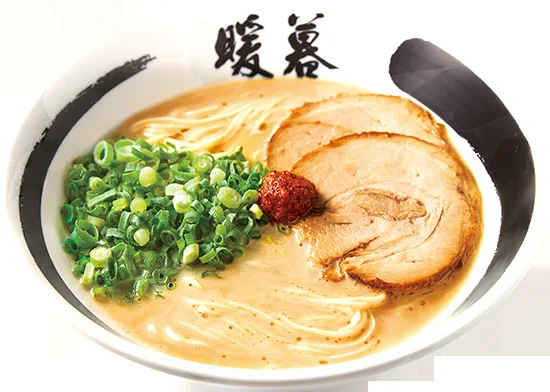
Best ramen in Brooklyn
Six addresses, complete bowl prices, user ratings and neighbourhood maps.
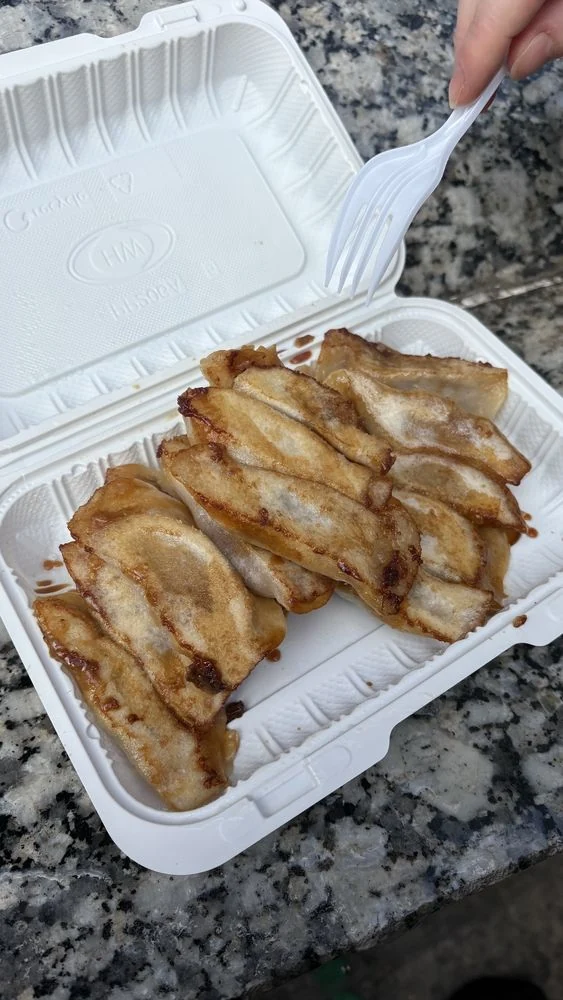
Dumplings in Chinatown
Six stops, piece counts, price per dumpling and a walking route.
Rice noodles vs egg noodles
Ingredient labels, cooking formats and real restaurant orders.
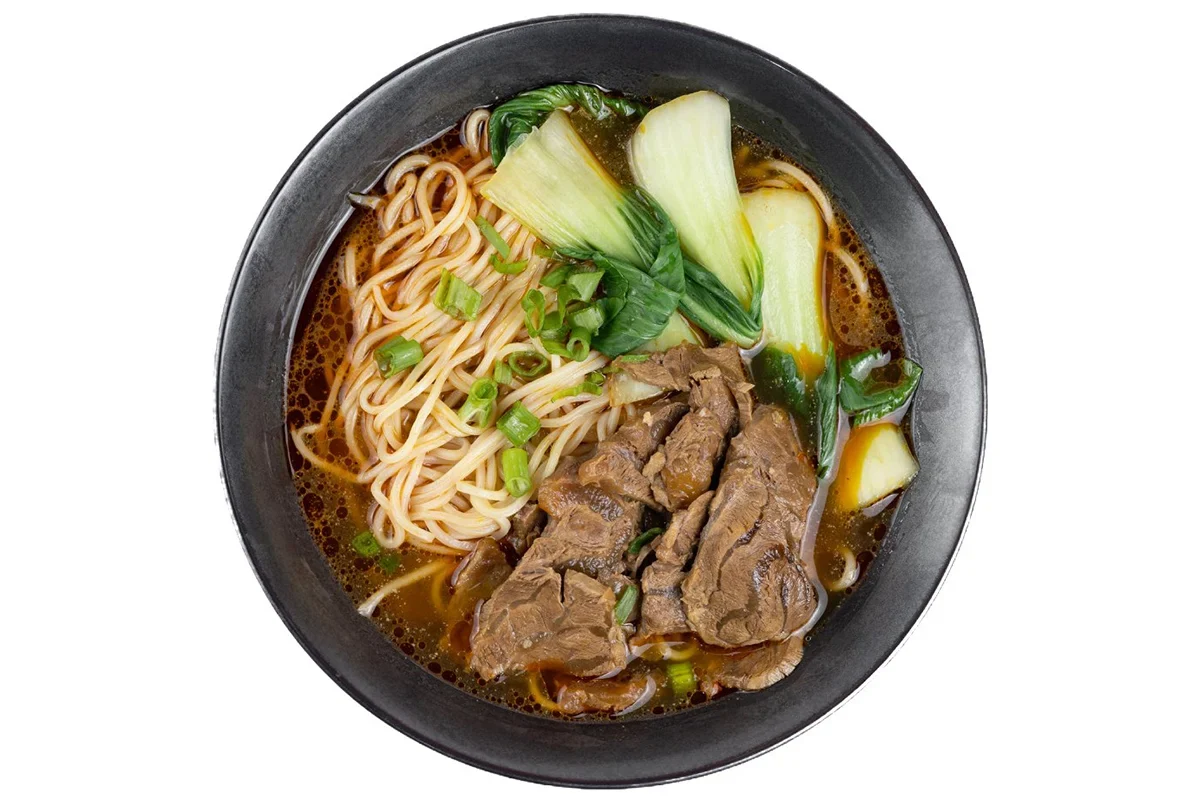
Hand-pulled noodles in NYC
Pulled strands, hand-ripped ribbons and laghman, with named orders and prices.