Lo mein or
chow mein?
Start with texture: tossed noodles, noodles fried in a wok, or a crisp noodle base. The English menu name can mean different preparations at different restaurants.
Public sources checked October 10, 2026
Lo mein points to tossed noodles. Chow mein points to fried noodles. In American menus, both names have adapted uses, so the name alone does not settle whether the plate will be soft or crispy.
Preparation is the useful distinction
| Menu wording | Typical preparation | Texture clue |
|---|---|---|
| Cantonese lo mein | Cooked noodles combined with sauce; soup may be separate. | Tossed noodles, not a crisp base. |
| American lo mein | Commonly cooked noodles finished with sauce and other ingredients in a wok. | Usually soft and saucy. |
| Cantonese chow mein | Thin noodles fried; some versions form a crisp base beneath a topping. | Ask whether the base is crispy. |
| Other chow mein listings | Regional fried-noodle preparations vary. | Soft, chewy or crisp cannot be decided by the English name alone. |
Sources: CiCi Li: Cantonese and American preparations. Checked October 10, 2026.
The chicken chow mein surprise
An American takeout version can be chicken and vegetables accompanied by crunchy noodle strips. That is a different format from a Cantonese pan-fried noodle base. The Woks of Life documents this American version separately.
Sources: The Woks of Life: American chicken chow mein. Checked October 10, 2026.
The important question is where the noodles are: mixed through the dish, under a sauce, or in a separate packet. A photograph without its item title can obscure that difference.
A menu example from Bay Ridge
E Noodle separates Lo Mein from Noodle Soup and lists pan-fried noodles among its cooked dishes. A soup bowl, tossed noodle order and pan-fried order should be read as separate choices.
Sources: E Noodle Brooklyn menu. Checked October 10, 2026.
Three questions that settle the order
- Are the noodles soft or crisp?
- Is the soup separate, included, or absent?
- Are the noodles tossed with the topping or placed beneath it?
Where does chow fun fit?
Chow fun uses broad rice noodles. It belongs in the wider noodle comparison, rather than being another spelling of lo mein. The ingredient, width and cooking method are separate clues.
Sources: The Woks of Life: beef chow fun. Checked October 10, 2026.
Three menu sections that prevent a wrong order
| Restaurant | Exact menu example | Menu section / published price |
|---|---|---|
| Great NY Noodletown | Ginger-scallion lo mein | Hong Kong-style steamed lo mein / $9.95 |
| Great NY Noodletown | Roast-pork noodles with vegetables | Pan-fried noodles / $17.95 |
| E Noodle Brooklyn | Beef wok-fried flat noodles / 干炒牛河 | Chinatown Classics / $18.25 online |
Published menu examples checked October 10, 2026. Online-order and restaurant PDF prices are different channels. Serving weights are not stated. Prices can change.
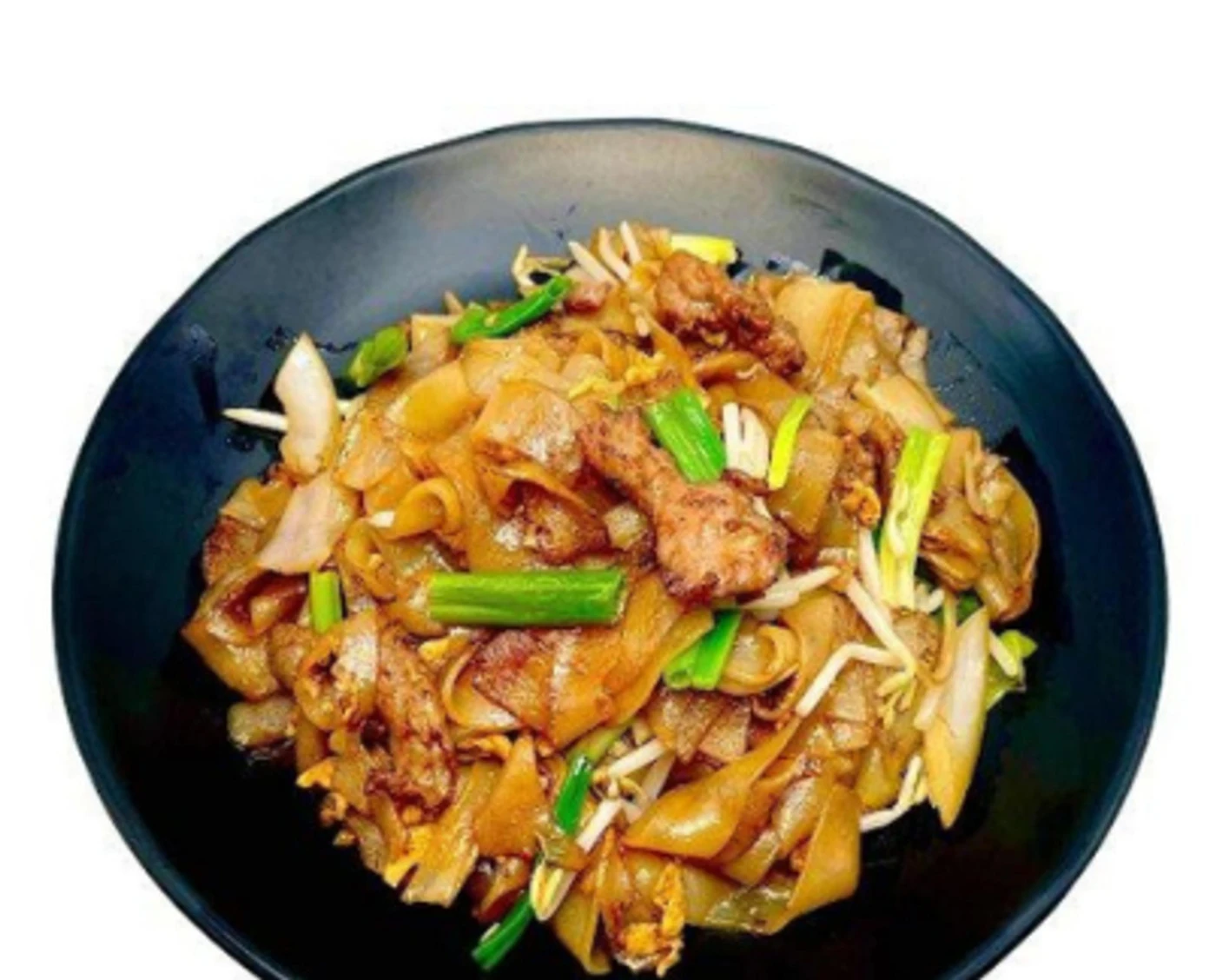
The flat rice-noodle item is chow fun. Wok-frying does not make it wheat-noodle chow mein. Noodletown’s separate lo mein and pan-fried headings show why the complete item name matters.